Korean restaurant no English menu? It happens more often than you’d think, especially at small local spots — and it doesn’t mean you can’t eat well there. Here’s how to handle it without stress.
Reduce your risk before you even sit down
If you’d rather not gamble on a random restaurant, there are two easy ways to stack the odds in your favor. Restaurants with a Blue Ribbon Survey mark (Korea’s well-known, review-based restaurant guide) or well-established franchise chains tend to be safe, tasty bets with far less risk of a menu-language headache.
Almost every restaurant in Korea is also registered on Naver Map, so you can look up the menu and reviews before you even walk in. Naver Map now translates visitor reviews into English, Chinese, and Japanese using Papago, so you can actually read what other diners thought — not just guess from star ratings.
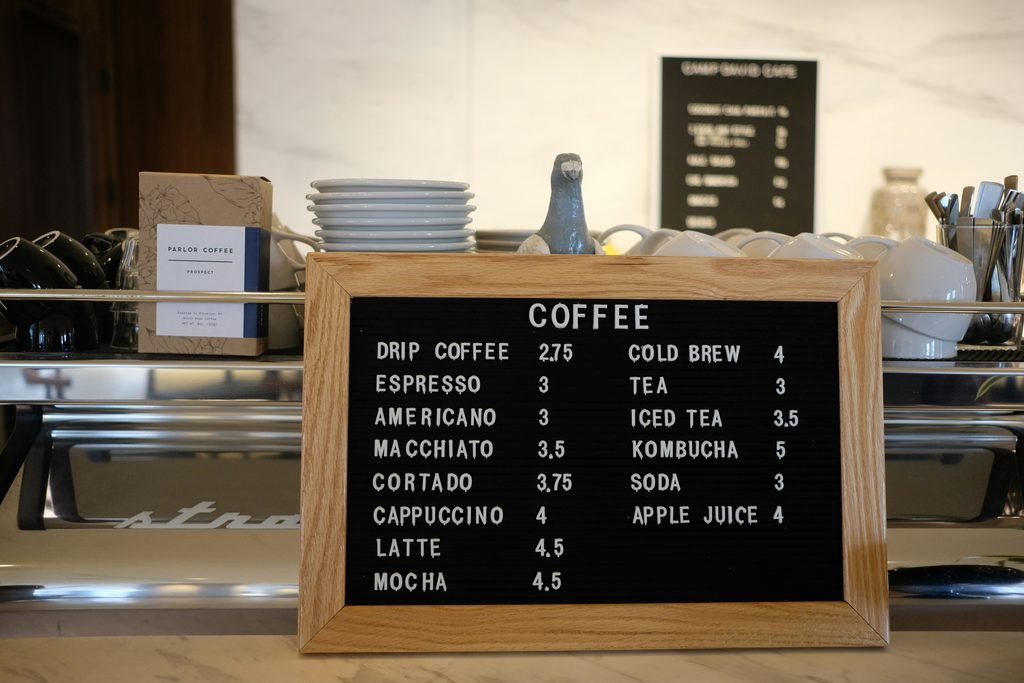
Photo by Croissant on Unsplash
Korean Restaurant No English Menu? Start With These Apps
If there are no pictures on the menu, a translation app is genuinely the easiest fix. Most Koreans use an app called Papago for this — it tends to translate more naturally than generic translation tools, which makes back-and-forth communication with staff smoother. Taking a photo of the menu and asking an AI tool to translate it works well too.
If you just want the good stuff, say so
You don’t actually need to understand every item on the menu. If you want the restaurant’s best dish, just ask for whatever’s most popular or most delicious, and separately mention your spice level or anything you don’t want included. Korean food skews spicy overall, so it’s always worth confirming spice level before you order.
Meat words worth knowing
Menus often sort dishes by meat type, and these three are the most useful to recognize:
- 돼지 (dwaeji) — pork
- 소 (so) — beef
- 치킨 (chicken) — chicken
Korean menus also mix in a lot of Sino-Korean vocabulary, so even recognizing these three words can save you from guessing blind.
The one phrase that works almost anywhere
If you only remember one sentence, make it this: “여기서 제일 맛있는 거. 안맵게 주세요” (“The most delicious thing here. Please make it not spicy.”) It’s simple, it’s polite, and it has a high success rate even with zero other Korean.
Speak up early about allergies
Korean food culture doesn’t lean heavily into allergy awareness — there’s a general cultural mindset that you should eat a wide variety of things, and food allergies are less commonly accommodated as a result. If there’s an ingredient you truly need left out, say so clearly before ordering, not after the food arrives. Keep in mind that customization isn’t a strong part of Korean restaurant culture, so there’s a real chance your request gets politely declined, especially at smaller or more traditional places.
Watch for the chili pepper symbol
If you see a chili pepper icon next to a menu item, that’s almost always a spice warning. Some menus use multiple peppers to indicate spice level — one pepper being mild, two or three meaning progressively spicier. Worth checking before you commit to a dish blind.
Quick reference: phrases that’ll get you through most meals
Even without fluent Korean, a handful of short phrases cover most situations you’ll run into:
- 이거 주세요 (igeo juseyo) — “This one, please” (point at the menu or a nearby table’s dish)
- 물 좀 주세요 (mul jom juseyo) — “Water, please”
- 하나만 더 주세요 (hana man deo juseyo) — “One more, please”
- 포장 되나요? (pojang doenayo?) — “Can I get this to go?”
- 계산해주세요 (gyesanhaejuseyo) — “Check, please”
Pointing at a dish on someone else’s table and saying “저거 주세요” (“jeogeo juseyo” — “that one, please”) is also a completely normal and accepted way to order if you saw something that looked good on your way in. Nobody will think it’s rude. “However you approach it, ordering at a Korean restaurant with no English menu gets easier every time you try.”
For finding reliably good spots, Blue Ribbon Survey is Korea’s most trusted restaurant guide.
For more dining-related customs, see our guide on Korean etiquette tourists often get wrong.