If you’ve ever looked into renting an apartment in Korea, you’ve probably run into the Korean wolse system — along with its confusing cousin, jeonse. Neither has a real equivalent in most other countries — and understanding the difference can save you a lot of headaches (and money) if you ever plan to live here.
I’m Korean Unni, and I’ve rented apartments in Korea since I was 20 — everything from rooftop rooms to officetels to full apartments. Here’s everything I wish someone had explained to me before my first contract.
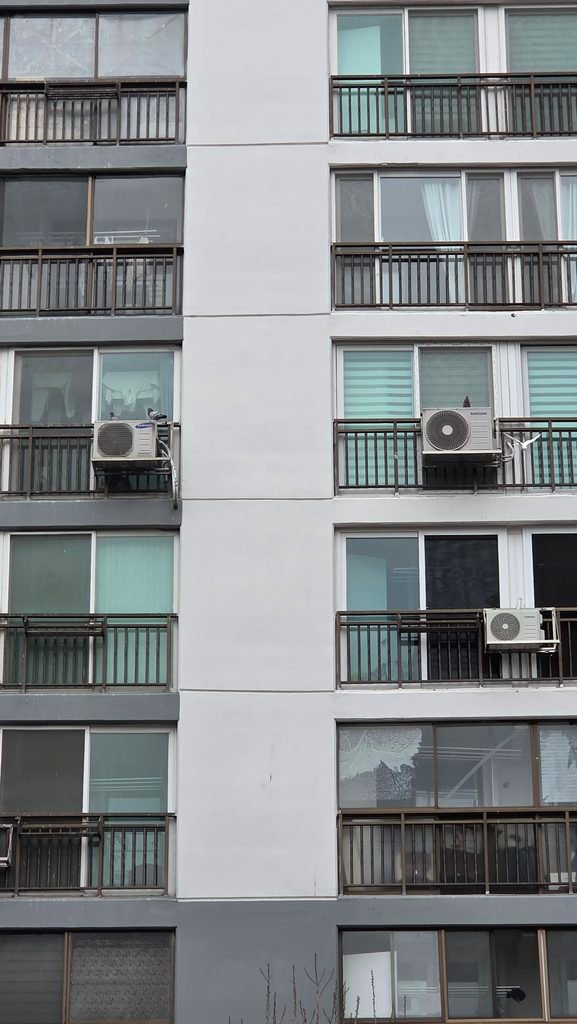
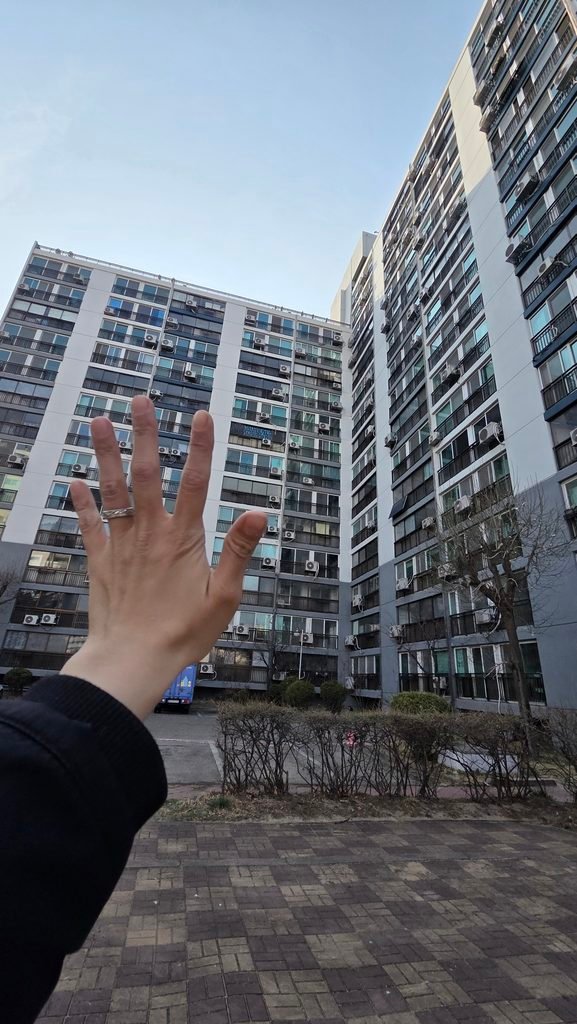
What Is the Korean Wolse System? (월세)
Wolse is the most common rental system for young people and single-person households in Korea. It has three parts:
- Deposit (보증금) — a lump sum you pay the landlord when you move in, and get back in full when you move out
- Monthly rent (월세) — the amount you pay every month to live there
- Maintenance fee (관리비) — a separate monthly charge for things like elevator use or building cleaning. In some places, this also covers water or electricity.
Here’s the part that surprises a lot of foreigners: the higher your deposit, the better the apartment you can get — and the lower your monthly rent tends to be. Deposit amounts also vary a lot by region. In Seoul, a small studio (about 5 pyeong, roughly 16 m²) usually starts around a ₩5,000,000 deposit with ₩600,000 monthly rent. Move slightly outside Seoul, and you can get the same size and quality of apartment for a lower deposit and rent — just with a less convenient location.
This is why Koreans in their 20s and 30s often have to choose: live somewhere small or older but close to work, or accept a longer commute for a nicer place. As a rough average, most young renters pay a deposit between ₩10,000,000–₩50,000,000 and monthly rent between ₩600,000–₩900,000. For around ₩10,000,000 deposit and ₩900,000/month (plus maintenance fee), you can usually get a decent officetel to live alone.
Wolse vs. Jeonse: Korea’s Unique Rental System
Jeonse is where things get uniquely Korean. Instead of paying monthly rent, you pay one very large deposit — often hundreds of millions of won — and live rent-free for the length of your contract (usually 2 years). When the contract ends, you get the entire deposit back.
For example: if a jeonse deposit is ₩300,000,000 for a 2-year contract, you hand over ₩300,000,000 on move-in day, live there for 2 years without paying any rent, and get the full ₩300,000,000 back when you leave.
Why would anyone do this instead of just paying monthly rent? Korea offers low-interest jeonse loans to residents, so many people — especially newlyweds who want more space — calculate that the loan interest is actually cheaper than monthly rent would be. The landlord benefits too: they get to hold a large sum of cash (sometimes investing it or earning interest) while owning a property they might not have been able to fully afford otherwise.
A word of caution: in recent years, “jeonse fraud” (전세사기) has become a serious problem — landlords disappearing without returning the deposit when the contract ends. I personally went through 10 months of not being able to get my own jeonse deposit back, and it was one of the most stressful experiences I’ve had here. It wasn’t outright fraud in my case, but it’s part of why I no longer choose jeonse as an option, and why many Koreans have become more cautious about it too.
What Foreigners Get Confused About Most
- Deposit size = apartment quality. As a general rule, the higher the deposit, the better the condition of the place.
- Standard contract length is 2 years, whether it’s wolse or jeonse — though it can sometimes be shortened to 1 year by agreement, or extended for another 2 years.
- How locals search for apartments: the most common way is through Naver Real Estate (in the Real Estate section of Naver, Korea’s biggest search portal) — you filter by area and price, find a listing you like, and contact the real estate agent handling it directly. Apps like Zigbang and Peterpanp work the same way.
- Contract process: once you find a place, the agent, the landlord, and you sign the contract together, in person.
- Payment timing can differ depending on the landlord — some want rent paid on move-in day for that month (“선월세”), others let you start paying a month after moving in (“후월세”). Paying upfront (선월세) is more common and generally preferred by landlords.
My Own Experience: What I’d Actually Recommend
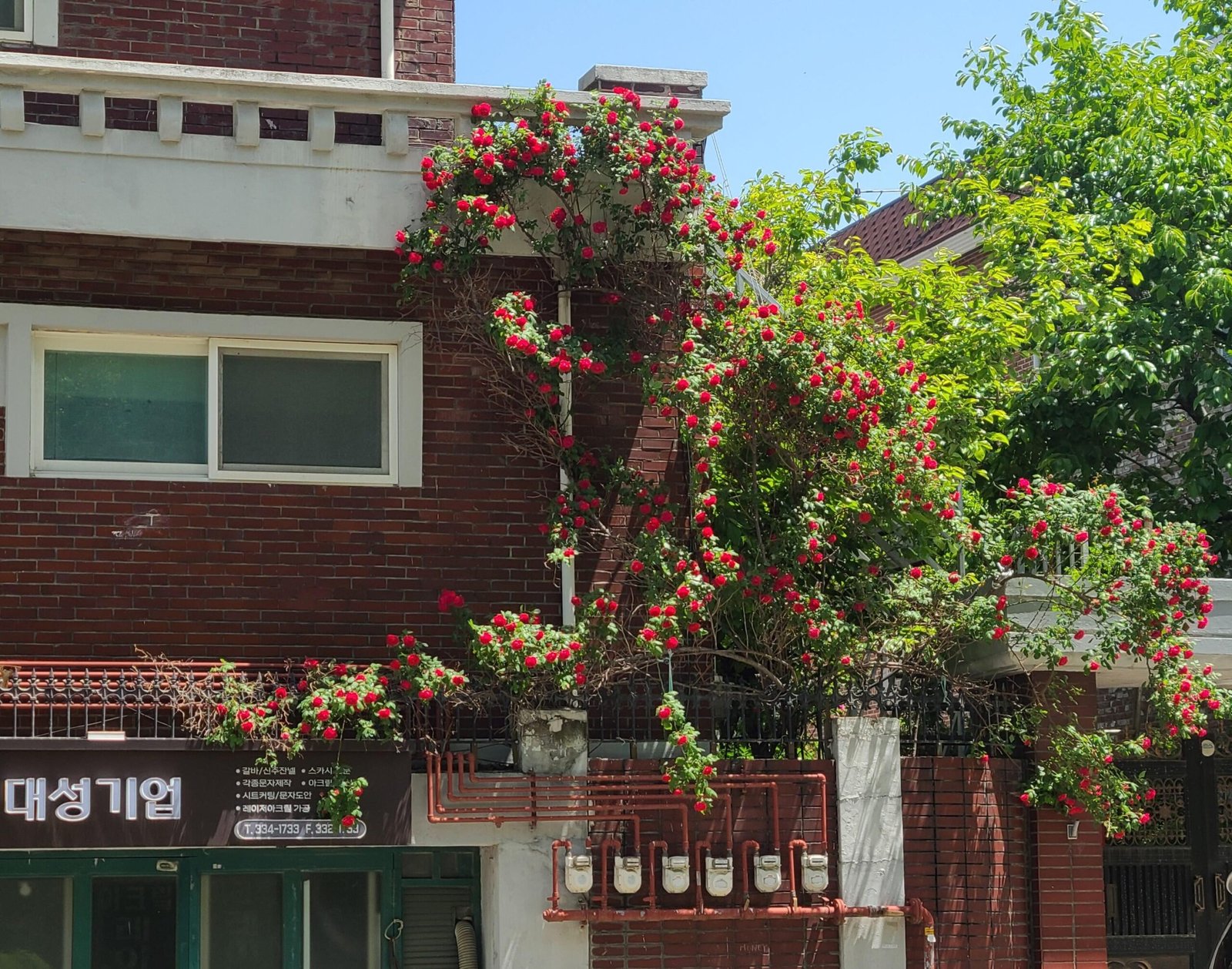
I’ve personally lived in almost every type of housing Korea has to offer — rooftop rooms (옥탑방), studios, older multi-family villas (빌라), and full apartments. My honest take: villas that are 10+ years old tend to have less noise between floors and lower maintenance fees/rent, which made them genuinely comfortable to live in.Since I have a dog, an officetel wasn’t really an option for me — many buildings restrict or ban pets — so I ended up choosing a villa instead. If you’re moving alone without a pet, though, I’d recommend an officetel…
Before you even go to a real estate office, decide on your budget for both deposit and monthly rent, and how many rooms or what type of place you want. Budget matters most — prices vary a lot even within the same neighborhood, depending on the type of building.
Here’s a phrase that works well when talking to an agent:
“Hi, could I see a studio or one-bedroom near Myeongdong Station, with a deposit of 10,000,000 and rent of 900,000? I don’t mind whether it’s a villa or officetel, as long as it’s not a semi-basement.”
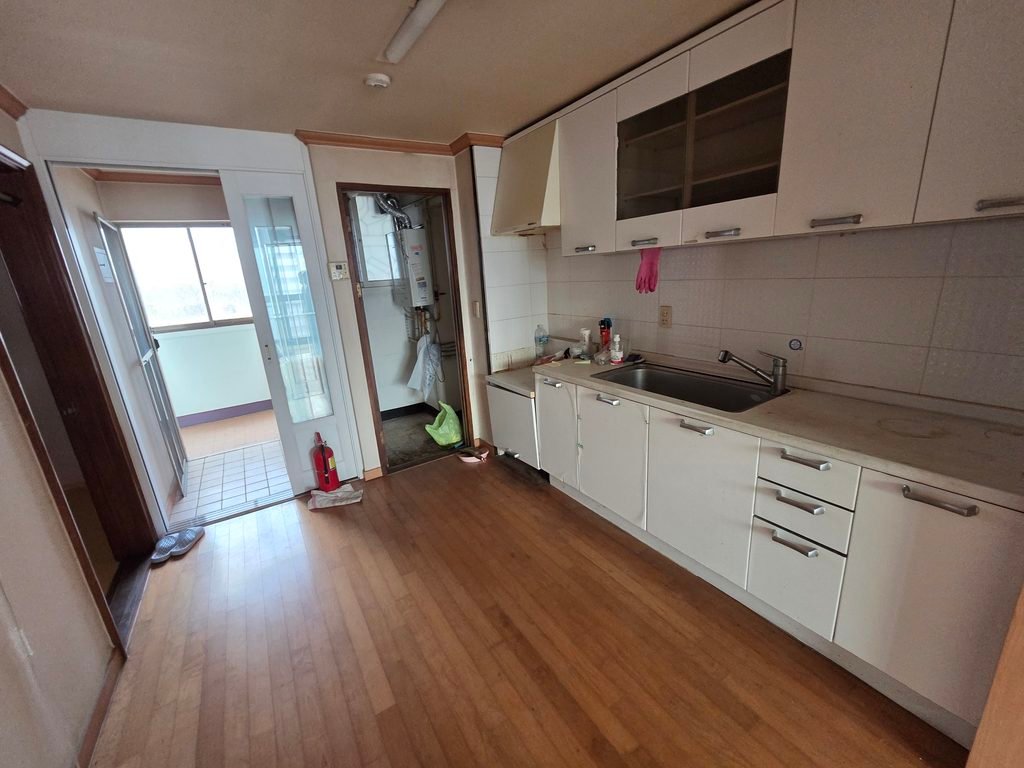
Quick note on semi-basement units (반지하): these are apartments partly below ground level. Rent is cheaper, but they tend to be more humid and can have more insect issues. If saving money is your top priority, it’s an option worth considering — just go in with realistic expectations.
When you sign a contract, double-check that your personal information, the landlord’s information, the address, and the agreed amount are all correct. Also pay close attention to the “special terms” (특약) section — this is where any extra rules (like “no pets allowed”) or anything discussed verbally should be written down in the contract. If it’s not in writing, it doesn’t count.
Tips for Foreigners Looking for a Place in Korea
Realistically, searching for an apartment directly through a Korean real estate agent is tough as a foreigner — not because it’s illegal, but because many landlords simply aren’t used to renting to non-Korean tenants.
If you want a faster, more reliable option, I’d recommend Enkostay — a platform specializing in long-term stays in well-managed Korean apartments, built with foreign residents in mind. The pricing isn’t drastically higher than finding a place on your own, and if you’re staying more than 2 weeks, it works out cheaper than booking through Airbnb. I actually rent out a place to foreign guests through Enkostay myself, so I can vouch for how the process works from the host side too.
Renting in Korea has its own logic once you understand the system — and once you know what deposit ranges, contract terms, and neighborhoods actually mean, it stops feeling like a maze. If you’re planning your own apartment search here, I hope this saves you some of the confusion I went through myself.