Korea eSIM guide, in short: here’s what actually matters before your trip — eSIM vs. physical SIM, where to buy each, and what it costs in 2026. Getting connected the moment you land is one of the first things to sort out on a Korea trip.
eSIM vs. physical SIM: the core difference
- eSIM: a digital SIM you activate via a QR code, no physical card involved. You can buy it online before your trip and it’s ready to use the moment you land.
- Physical SIM: an actual card you swap into your phone. You’ll need to pick it up in person and usually show your passport to activate it.
The biggest practical advantage of eSIM: your phone can often run two lines at once (your home SIM plus the Korean eSIM), so you keep your home number active for things like banking verification codes or app logins, while using the Korean line just for data. Just make sure your phone actually supports eSIM before you buy one.
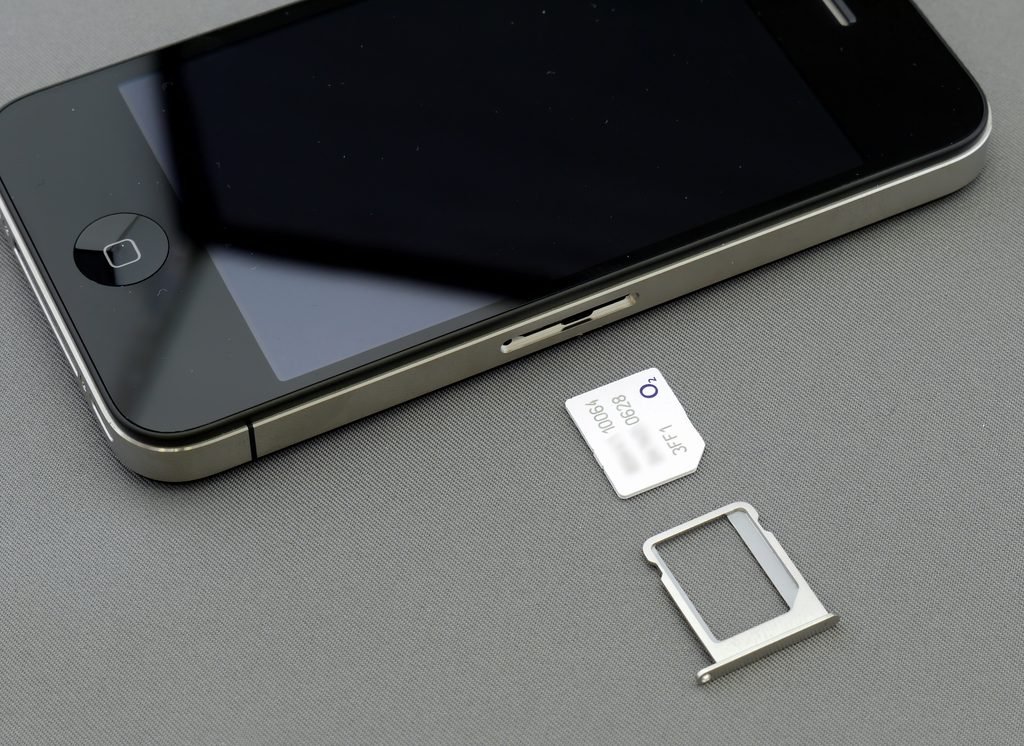
사진: Unsplash의 Brett Jordan
Where to get a physical SIM
Incheon Airport has telecom booths from all three major Korean carriers — SK Telecom, KT, and LG U+ — at the arrivals area in both Terminal 1 and Terminal 2. Some booths near T1 Exit 13 and T2 Gate 3 run 24 hours, which matters if you’re landing on a red-eye; most other booths tend to operate roughly 6 AM–10 PM.
To activate a physical SIM at the airport, you’ll need your passport. Pricing for short-term data plans typically starts around ₩6,600 for a single day, going up depending on how many days and how much data you need.
Korea eSIM Guide: Where to Buy Yours
eSIMs can be bought online in advance — through the carriers directly, through third-party providers, or through travel platforms like Klook or Trazy, which bundle Korea SIM/eSIM options alongside other travel bookings. Since there’s no physical pickup required for most eSIMs (you just get a QR code by email), it’s the more convenient option if you’re arriving very late or early, or just don’t want to deal with an airport counter after a long flight.
Short-term eSIM plans can start as low as around $5–6 for a few days, though pricing and data limits vary a lot by provider — some cap your speed after a certain amount of data, others offer fully unlimited data with no throttling at a slightly higher price. If you plan to stream video or use a lot of data daily, it’s worth checking whether a plan is speed-capped before you buy.
Which one should you get?
- Data only, no Korean phone number needed → eSIM is usually simpler and can be set up before you even land
- Need actual calls/texts on a Korean number (for restaurant reservations, deliveries, etc.) → a physical SIM with voice from KT or LG U+ may serve you better
- Landing very early or late → eSIM avoids the risk of arriving outside a booth’s operating hours
- Want to keep your home number active for banking apps or verification codes → eSIM, since many phones can run both lines simultaneously
Quick tips
- Confirm your phone is unlocked and eSIM-compatible before you travel
- Physical SIM activation requires your passport — keep it handy at the booth
- Prices and promotions shift often, so compare current listings on the carrier’s site or a platform like Klook/Trazy shortly before your trip rather than relying on older blog posts (including this one)
This Korea eSIM guide covers the basics, but pricing and promotions change often — always double-check current listings before you buy.