Korean office culture has a reputation — strict hierarchy, long hours, rigid dress codes. Some of that reputation is earned. But the reality in 2026 is a lot more mixed than the stereotype suggests, and it depends heavily on where you work.
I’ve worked at a company with a genuinely relaxed culture, and I’ve watched friends struggle at companies that were anything but. Here’s what Korean work culture actually looks like right now.
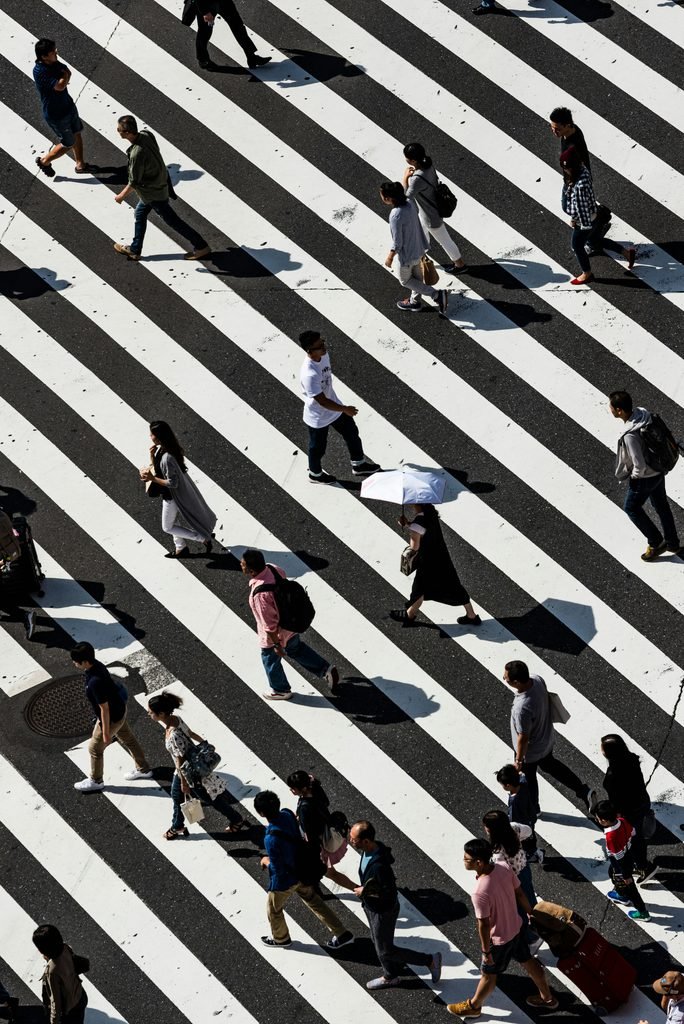
Photo by Ryoji Iwata on Unsplash
The hierarchy is still there, even when it’s hidden
Korean offices have traditionally run on a clear hierarchy. Speech level and how you address people are based on job title, not age — you use respectful language toward someone with a higher position, regardless of whether they’re older or younger than you.
That’s shifting. More companies are pushing for a flatter culture, and some now have employees call each other by nicknames instead of titles, no matter their rank. But a fully horizontal workplace is rare. Even companies that present themselves as flat usually still have hierarchy running underneath — it’s just less visible on the surface.
Overtime: a generational shift
There used to be a belief that sitting at your desk longer meant you were working harder, which made unpaid or expected overtime feel normal. That’s changed a lot, though it still depends heavily on the industry — some fields still treat late nights as routine, while others barely have any overtime at all.
At the company I worked for, everyone started at 8am and the office lights went off at 5pm, with everyone heading home. There was overtime pay available, but it wasn’t a big enough incentive to make people want to stay — going home on time was simply the better deal.
Meetings have followed the same trend: shorter, and only when actually necessary. A lot of this seems tied to the pandemic generation, who got a firsthand lesson that long meetings and long hoesik weren’t actually required to get work done — and that mindset has stuck.
If you’re curious how Korea’s overtime culture compares globally, OECD data on working hours shows how much the numbers have shifted in recent years.
Dress code depends entirely on the company
Office dress codes vary a lot by industry. More conservative companies still expect formal, buttoned-up office wear. Companies where that’s not a priority tend to let people dress casually.
My own workplace was extremely relaxed — some people came in wearing hats, shorts, even sandals. I mostly stuck to a t-shirt and black pants.
Loyalty isn’t what it used to be
Fewer people today see a company as a lifelong commitment — if it’s not a good fit, more people are willing to leave. As a result, fewer employees are willing to pour all their time and energy into a company that won’t necessarily keep them long-term. More people now see that kind of over-investment as a loss, and there’s a growing shift toward focusing energy on things they actually care about instead.
Remote work: employees want it, companies are wary
Remote work basically didn’t exist outside foreign-owned companies before COVID. After experiencing the benefits firsthand during the pandemic, a lot of employees now actively look for companies that offer it, or factor it into where they choose to work.
Companies, on the other hand, tend not to love remote work — likely out of concern that people won’t actually be working while at home.
A personal take
I had a clear work-life balance, and my company had an in-house cafeteria, so I never had to worry about lunch. As long as I did my job well, nobody made things difficult for me, and I could choose whether or not to join company dinners without any pressure.
That said, plenty of friends I know have had a much rougher time navigating office politics and workplace stress, depending entirely on the kind of company they landed at. Korean work culture isn’t one single thing anymore — it really comes down to which company you end up at.
Quick things foreigners should know
- Speech level and formality in Korean offices is based on job title, not age
- Even “flat” companies often still have hierarchy running quietly underneath
- Overtime culture varies enormously by industry — don’t assume it’s universal
- Dress codes range from strict formal wear to full casual, depending on the company
- Remote work is increasingly desired by employees but still resisted by many employers