Korean dating culture has its own vocabulary, its own rules, and its own quirks — some of them very specific to age, some shifting fast with younger generations. Here’s how it actually plays out, from meeting someone to what happens after “1000 days.”
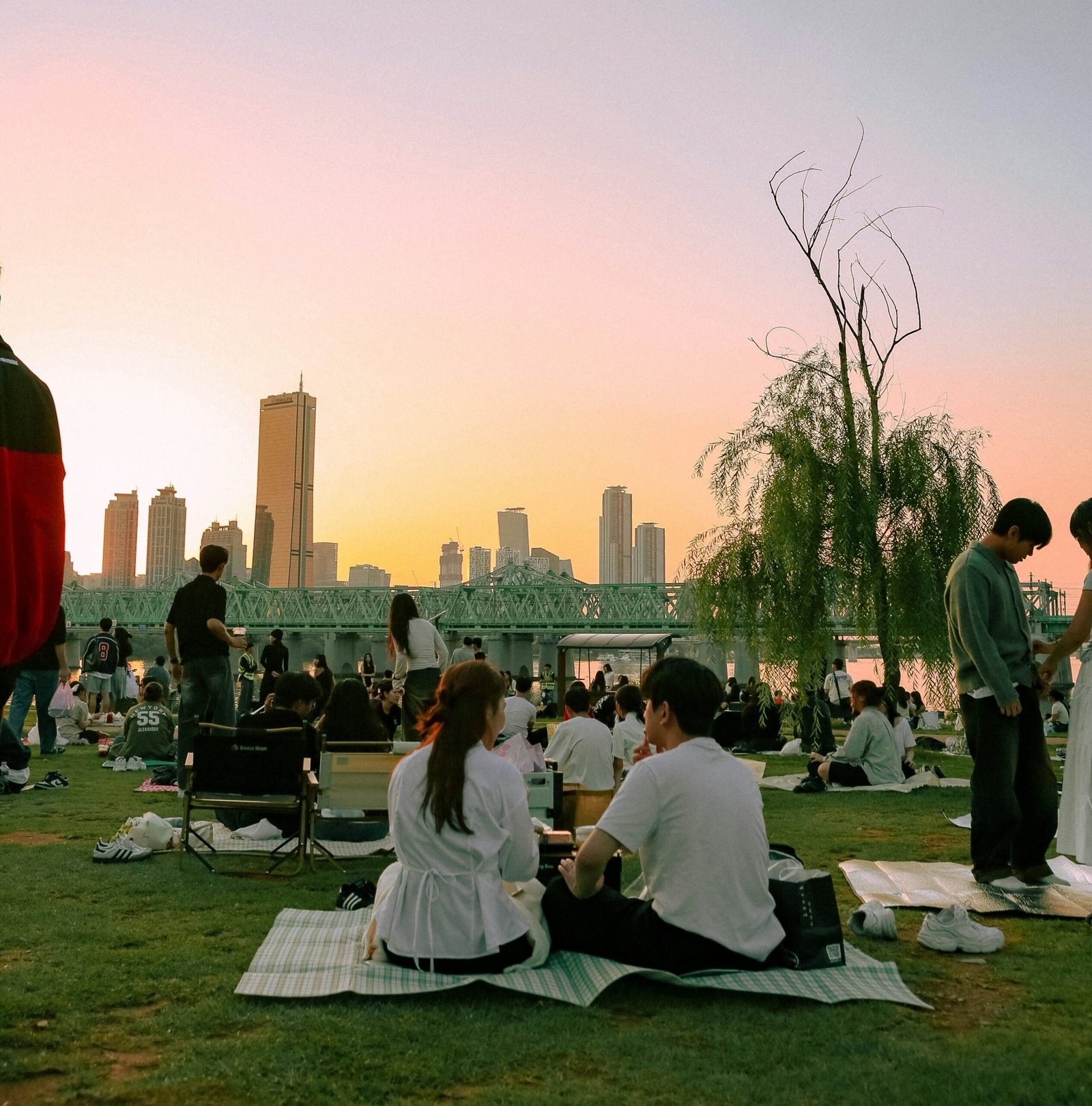
Photo by HANVIN CHEONG on Unsplash
“Some” before dating
Korean relationships usually move through a stage called “some” (썸) before anyone’s officially dating — a period where there’s clear romantic interest but no label yet. People who prefer meeting someone naturally (“jayeonchu,” 자연스러운 만남 추구) tend to meet through work, hobby groups, getting someone’s number in person (“beonta,” 번따), or classes. If natural meetings aren’t happening, or compatibility on paper matters more, blind dates (sogaeting) are common instead.
Dating apps carry a real stigma here — most people, regardless of gender, are hesitant to recommend them. That said, people absolutely do meet and even marry through apps; they just tend not to advertise it to friends and family.
From “some” to official
Once romantic feelings show up, people usually spend 2–4 weeks texting or going on dates before deciding whether to date seriously. The confession (gobaek) — literally telling someone you like them and want to date — usually comes from the guy’s side. In some cases, especially after a blind date, both people quietly agree to date without a formal confession at all. But in most relationships, a confession still happens.
Confessions tend to be understated rather than flashy — a letter, a small bunch of flowers, or just saying it directly is far more common than an elaborate gesture. Big, expensive gifts at this stage can actually make the other person uncomfortable rather than impressed.
Daily contact is the norm, not the exception
Staying in touch every day — through KakaoTalk, phone calls, or seeing each other in person — is considered basic relationship etiquette in Korea, not something extra. Even on days you don’t meet up, checking in about what the other person is doing, or catching up on how their day went, is expected to happen without long gaps. If someone goes silent for half a day or more without a clear reason, it’s generally read as a lack of consideration for the relationship, not just someone being busy.
Anniversaries: tracked by the day
Korean couples tend to celebrate anniversaries by day count — 100 days, 200 days, 1 year, even 1000 days — on top of birthdays and holidays like Valentine’s Day, Pepero Day, and Christmas. How seriously people take this varies a lot person to person, so couples who both care about anniversaries often benefit from talking through expectations early.
Gift-giving on these days can go either way — sometimes both partners exchange gifts, sometimes just one does — and mismatched expectations around this are a common source of hurt feelings. Knowing what your partner actually wants (and how much they care) matters more than following a script.
Couple items, the modern version
Matching couple t-shirts are less popular now than “similar look” — dressing in the same color palette — or small matching items like couple rings or keyrings. My own preference is understated matching (same-design shirts without “couple” printed on them, matching shoes, matching keyrings), but only occasionally, not as a constant thing.
Couple rings are often made together at one-day DIY jewelry classes, which have become a popular way to mark smaller milestones like 100 or 200 days. That said, plenty of people just find rings impractical to wear day to day.
Who pays for dates
The general norm is something like a 6:4 or 7:3 split, with the guy covering the larger share. Women paying nothing at all is generally viewed unfavorably, so a common pattern is: the guy pays for the meal, the woman pays for coffee afterward.
Personally, I don’t think it matters much who pays more, as long as there’s genuine appreciation on both sides. Before marriage, I’ve used a shared “dating account” — where both partners deposit the same amount and draw from it for dates. Some people dislike this system, but I think it’s a useful way to see how compatible you are financially before marriage, since money habits matter a lot long-term.
If you’re planning a date, check out our guide on cost of living in Seoul to get a sense of typical prices.
Dating is getting more individualistic
Dating among people in their 20s feels noticeably more individualistic than it used to be — splitting every cost evenly (meals, cafés, trips), not walking each other home, or meeting halfway instead of one person going out of their way. It’s not the kind of relationship style I personally gravitate toward, but if it works for the people in it, there’s nothing wrong with it either. There’s still affection, just with clearer boundaries.
Korea also has a lot of dating content to fill the time — one-day classes for making rings, baking, cakes, even perfume, plus plenty of exhibitions and photogenic cafés that make dating feel curated and Instagram-ready.
Not everyone wants to date, and that’s increasingly normal
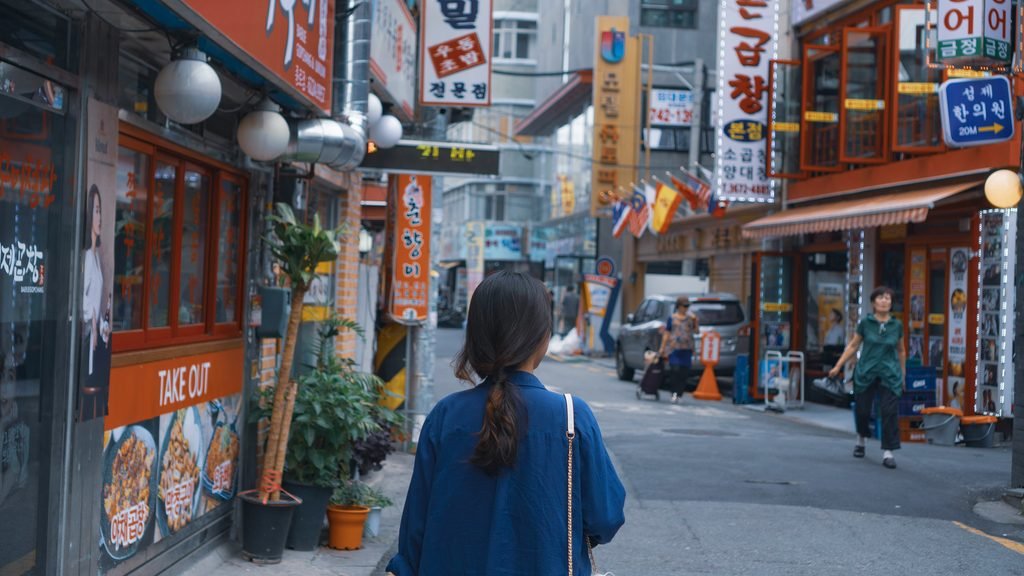
Photo by yongzheng xu on Unsplash
At the same time, more people see dating as optional rather than necessary. I’ve been in that camp myself — if a relationship is likely to end in spending money and eventually getting hurt, some people choose to avoid that risk altogether. Dating also takes mental energy, and with so much to do solo these days, more people are reluctant to give up the comfort of being on their own.
For more on the broader dating landscape shaping these trends, Wikipedia’s overview of dating in South Korea covers how it’s evolved.
Quick things foreigners should know
- “Some” (a pre-dating stage) usually comes before an official relationship
- Confessions are typically simple and low-key, not grand gestures
- Anniversaries are tracked by day count (100 days, 200 days, etc.), not just yearly
- Dating apps still carry social stigma, even though people do use them
- Date costs often lean toward the guy paying more, but full financial equality is becoming more common among younger couples