If you’re taking public transportation in Korea, getting a T-money card should be your very first stop. I’m Korean Unni, and here’s everything you need to know to use it like a local — no confusion, no wasted trips.
What Is the Korean T-money Card?
T-money is the name of Korea’s main rechargeable transit card. You can buy one easily at almost any convenience store or subway station, and it’s reusable — just top it up whenever the balance runs low. If you’re getting around Korea by bus or subway, buying a T-money card and simply recharging it as needed is honestly the easiest way to go.
How to Recharge
You can recharge your T-money card two ways:
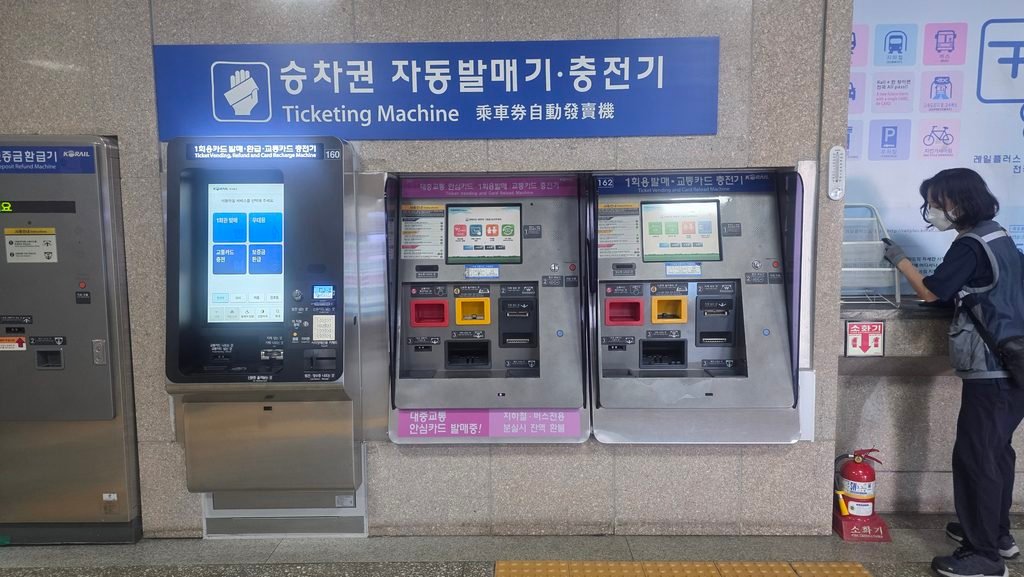
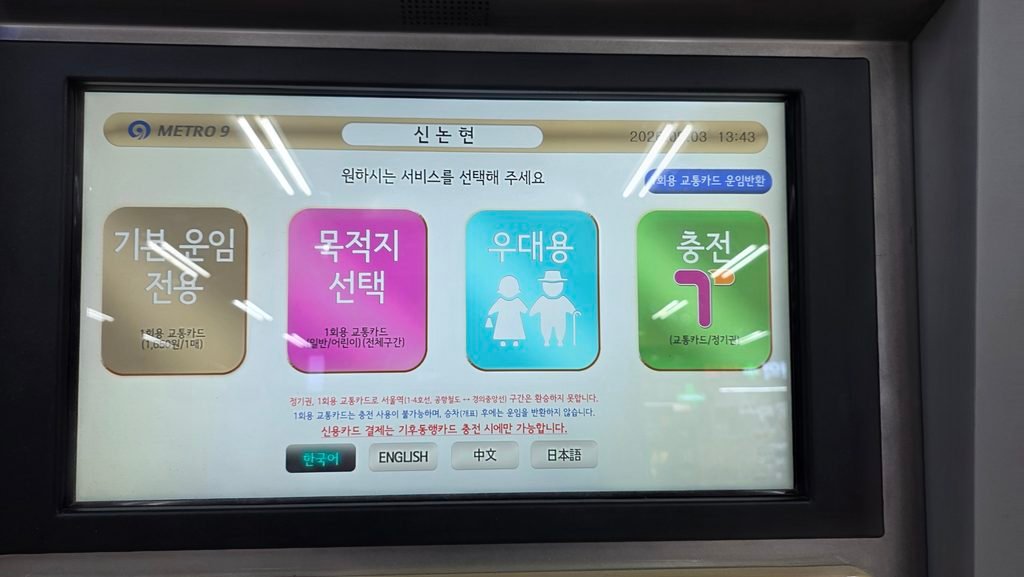
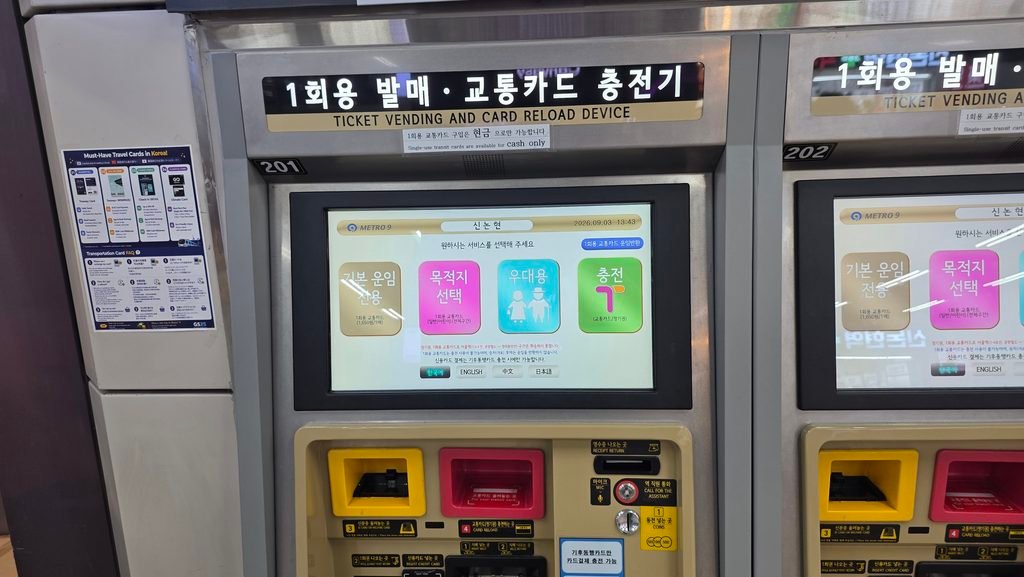
- At a convenience store: just ask the staff at the counter if they can recharge it (most can)
- At a subway station: there are recharge machines inside every station
My tip: when you first buy and recharge the card, top it up in units of ₩10,000. Cash usually works for recharging at most locations. If your balance runs low mid-trip, you may run into trouble tapping in or transferring — so it’s better to keep a buffer.
A Local Secret: K-pass
Here’s something most tourists never learn — most Koreans don’t actually use a plain T-money card for daily commuting. Instead, they use something called K-pass, which refunds about 30% of what you spend on public transportation.
To use K-pass, you need to get a specific debit card and register it with the K-pass system — which makes it inconvenient for short-term visitors, but very useful if you’re planning to actually live in Korea for a while. I wanted to mention this mainly so you know: locals are actually using a card that pays them back, not just a basic transit card.
How Much Does It Cost?
A one-way subway ride starts at ₩1,550. Bus fares vary slightly by region and bus type, but most fall in the low-₩1,000s range.
Free Transfers (This Part Is Important)
If you’re using a reusable card like T-money, you can transfer between subway lines, or from subway to bus, without paying an extra base fare. (Note: additional charges may still apply based on distance traveled.)
How it works: as long as you tap your card to start your next ride within 30 minutes of tapping out from your last one, the transfer discount applies automatically.
Tap In, Tap Out — Every Single Time
In Seoul, you’re required to tap your card both when you board and when you get off the bus or subway. If you forget to tap out repeatedly, you may get charged an extra penalty fee the next time you tap in — so don’t skip this step, even if it feels unnecessary at first.
Special Edition T-money Cards
If you like collecting unique designs, keep an eye out — certain tourist areas and specific stores sell limited-edition T-money cards with special designs. If you want one that matches your style, it’s worth looking up in advance, since they’re not available everywhere.
Can You Use It for More Than Transit?
Yes — T-money can also be used to pay at convenience stores and in taxis. That said, most Koreans don’t really bother using it for this (they tend to use regular payment cards instead). If you do want to pay with T-money at a store or in a taxi, just make sure to clearly tell the staff or driver you’re paying with T-money — otherwise it can get confusing at checkout.
The Short Version
T-money really isn’t complicated once you know the basics:
- Buy it, then recharge as prepaid credit
- Tap in and tap out every time, no exceptions
- Recharge easily at nearby convenience stores or inside subway stations
That’s really all there is to it.